Good interior design is not about expensive furniture or a particular "look." It is about making a room work for the people who use it — and making it feel considered while it does. You do not need a designer's budget or a design degree to get there. You need a clear process and a few principles you can apply to any space, from a rented studio to a whole house.
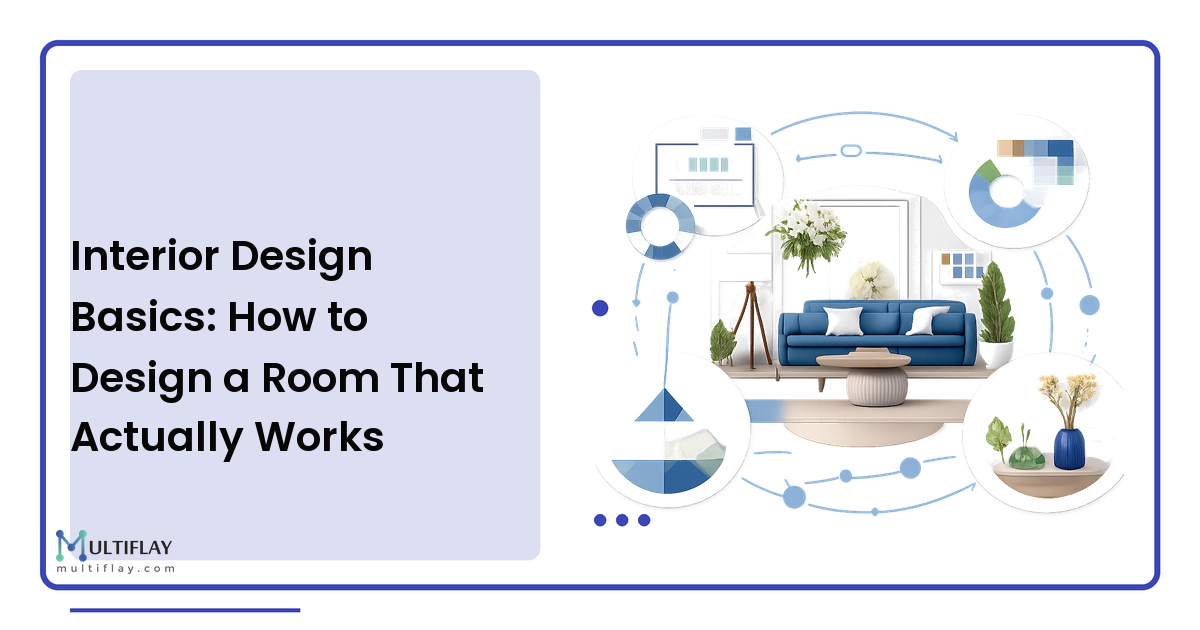
The short version: start with how the room is used, plan the layout before you buy anything, get the light right, choose a restrained color palette, and add personality last. Do those in order and almost any room comes together. Here is how each step works.
Start with how the room is used, not how it looks
The most common mistake is shopping first. A beautiful sofa that blocks a doorway or a rug that is two sizes too small will undermine an otherwise lovely room. So before you pick anything, answer a few plain questions:
- What happens here? Sleeping, working, eating, entertaining, all of the above?
- Who uses it, and when? A room used by kids and pets has different durability needs than a formal sitting room.
- What is annoying about it now? Bad light, no storage, awkward traffic flow, nowhere to sit?
Write the answers down. They become your brief, and every later decision gets measured against it. A room that solves its real problems will always feel better than one that merely looks current.
Plan the layout before you buy
Layout — where things go and how you move between them — does more for a room than any single object. Get it right on paper first.
Measure everything
Measure the room, the doorways, the windows, and the radiators or vents. Note which way doors swing and where the outlets are. These constraints decide what is actually possible.
Anchor the room and leave room to move
Most rooms have a natural focal point: a window, a fireplace, a bed, a TV. Arrange the main pieces around it. Then protect circulation — leave roughly 60–90 cm (24–36 in) for main walkways so people are not squeezing past furniture. Pushing everything against the walls feels like a waiting room; floating key pieces slightly inward usually reads warmer.
Scale matters more than quantity
One generously sized piece often beats three small ones. Undersized furniture makes a room feel cluttered and unfinished, while a rug that anchors the seating (at least the front legs of every seat on it) instantly pulls a space together.
Get the light right
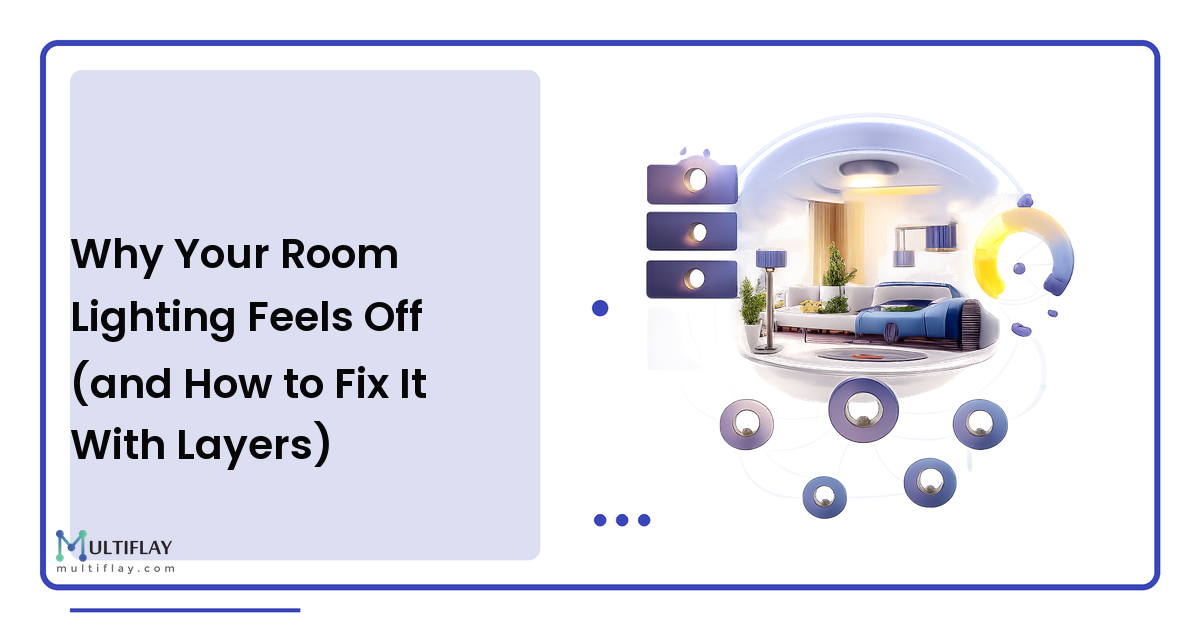
Lighting is the element most people underestimate and the one that changes a room the most. Aim for layers rather than a single ceiling fixture.
- Ambient light — the general fill (ceiling fixtures, large lamps) so the room is comfortably lit.
- Task light — focused light where you read, cook, or work.
- Accent light — low, warm pools (table and floor lamps) that make a room feel inviting at night.
Two practical rules: favor warm bulbs (around 2700K) in living and sleeping spaces because they flatter both people and materials, and put lights on more than one switch or a dimmer so you can shift the mood. And protect natural light — it is free and irreplaceable, so keep window treatments simple where you can.
Choose a restrained color palette
Color is where rooms most often go wrong, usually from doing too much. A reliable starting framework is the 60-30-10 split: about 60% a dominant neutral (walls, large furniture), 30% a secondary color (upholstery, curtains), and 10% an accent (cushions, art, accessories). It keeps a scheme balanced without being fussy.
Test colors in the actual room before committing. Paint a large swatch and look at it morning, noon, and night — light changes color dramatically, and a "perfect" sample under store lighting can turn cold or muddy at home. When in doubt, keep the big, expensive surfaces neutral and let cheap, swappable items carry the color. That way taste can evolve without a repaint.
Mix materials and textures for depth
A room in a single finish feels flat. Combining a few materials — wood, metal, woven textiles, a bit of stone or ceramic — adds the depth that photographs and showrooms have and most real homes lack. You do not need many: a wood table, a soft rug, a linen cushion, and a metal lamp already give a space contrast. Favor materials that age well and suit the room's use; honest, durable finishes almost always look better over time than trend-chasing ones.
Add personality last
Once the bones are right, the room can become yours. Art, books, plants, and objects you actually care about are what separate a furnished room from a designed one. Hang art at eye level (centers around 145–150 cm / 57–60 in from the floor), group objects in odd numbers and varied heights, and leave some breathing room — empty space is part of the design, not a gap to fill. This finishing layer is also the cheapest to change, so it is the safest place to experiment.
A simple order of operations
- Define the use — what the room is for and what currently fails.
- Plan the layout — measure, anchor a focal point, protect walkways, scale up.
- Layer the lighting — ambient, task, accent; warm and dimmable.
- Set a restrained palette — 60-30-10, tested in the real light.
- Mix materials — a few honest, durable finishes for depth.
- Style last — art, plants, and personal objects to finish.
FAQ
Where should I start when designing a room from scratch?
Start with how the room is used and a measured floor plan, not with shopping. Layout decisions shape everything else, and they cost nothing to get right on paper before you spend money.
How do I make a small room feel bigger?
Maximize natural light, keep a light and consistent palette, choose a few appropriately scaled pieces instead of many small ones, and use mirrors to bounce light. Clear sightlines and floor space read as "bigger" more than any single trick.
How many colors should a room have?
Three is a safe target using the 60-30-10 rule: a dominant neutral, a secondary color, and one accent. You can go further once you are comfortable, but restraint almost always looks more intentional.
Do I need to hire an interior designer?
Not for most rooms. A clear process — use, layout, light, color, materials, styling — gets you a long way on your own. A designer is most worth it for complex renovations, tricky layouts, or when you want help committing to bigger, costlier decisions.
What is the most common interior design mistake?
Buying before planning. Furniture bought without a layout often turns out to be the wrong size or in the wrong place, which is expensive to fix. Plan the room first, then shop to the plan.
Next step
Pick one room and work it in order: measure it and sketch the layout, fix the lighting, settle on a small palette, then layer in materials and the pieces you love. A single room done thoughtfully will teach you more than any mood board — and it is the fastest way to a home that both looks good and works.